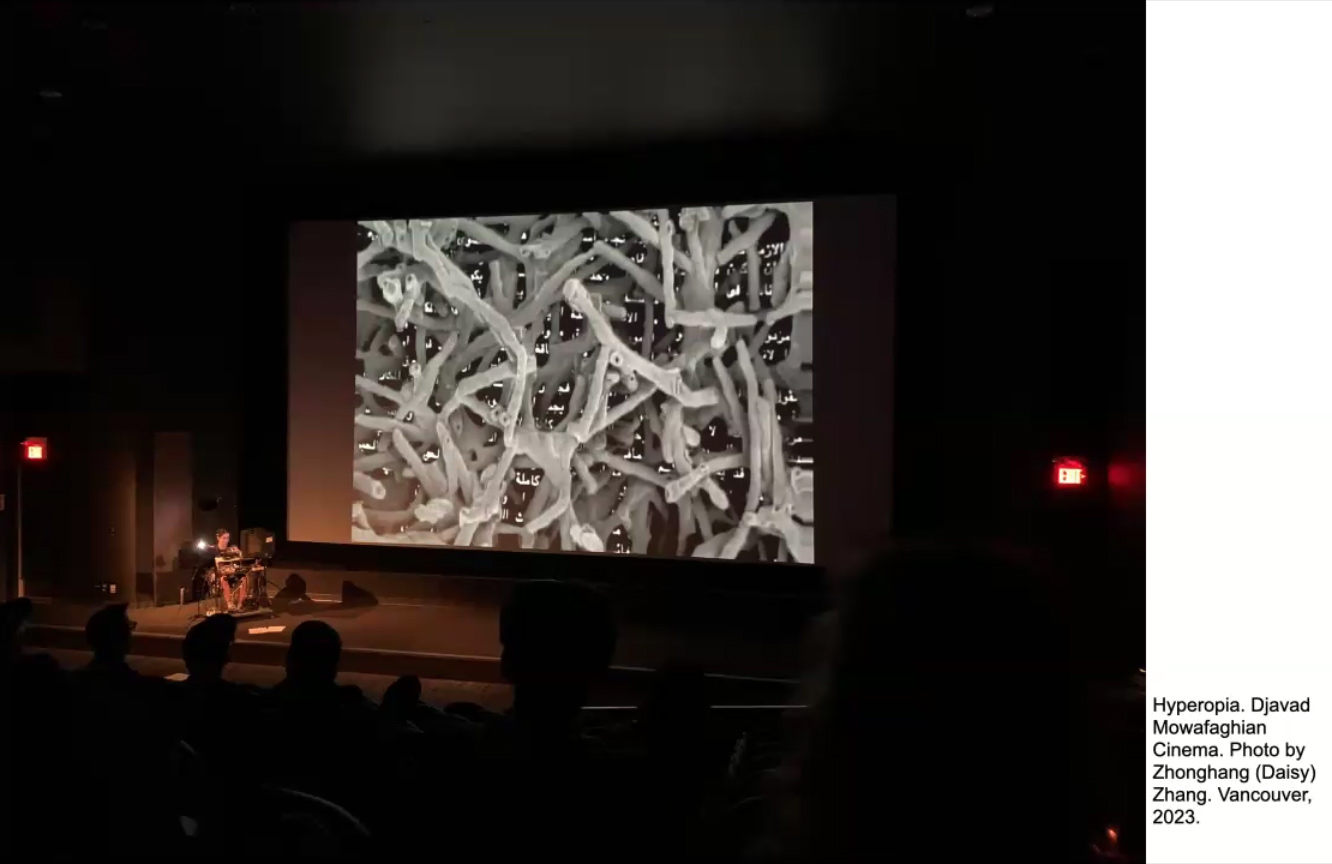
Fascinating Meeting of September 30, 2024
On September 30, 2024, SMRN held another warm and engaging meeting, bringing together members including Mena El Shazly, Laura Marks, Sepideh Saffari, Niusha Hatefinia, Millie Chen, Nina Czegledy, Farshid Kazemi, Masayuki Iwase, Pantea Karimi, J.R. Osborn, Carol Bier, Nezih Erdogan, Lynn Marie Kirby, Steven Baris, Radek Przedpelski, and Juan Castrillon.
During the meeting, Mena El Shazly presented her project, Hyperopia, which draws inspiration from the Crystalist artist movement in Sudan. Following her, Sepideh Saffari shared her research titled Gardens Beyond Borders.
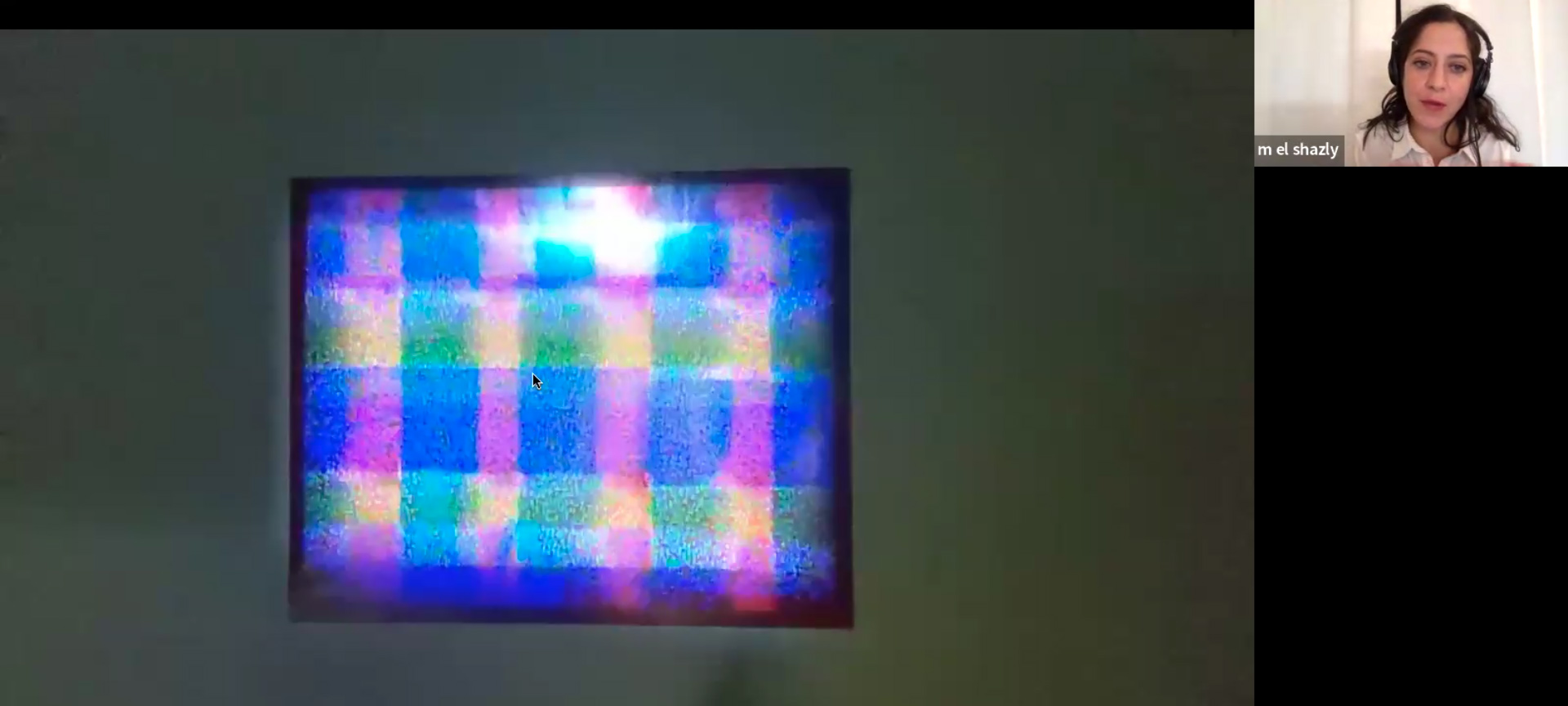
In the first part of the meeting, Mena introduced Hyperopia, a project inspired by the Crystalist artist movement in Sudan and their 1976 manifesto, which asserts that “the crystal is nothing but the denial of the objectification of objects” and embodies “infinite transparency.” Hyperopia responds to the overuse and overconsumption of images, especially secondary and tertiary images, as well as the excessive reliance on mobile phones to perceive the world. Mena explores the idea that this consumption fragments the viewer's perception, as if looking through a crystal. Her presentation covered her past work, the theoretical and artistic framework behind Hyperopia, and highlighted four themes within the project: using digital navigation gestures as cinematic tools, examining water and language, and presenting the work both through live performances and gallery installations.
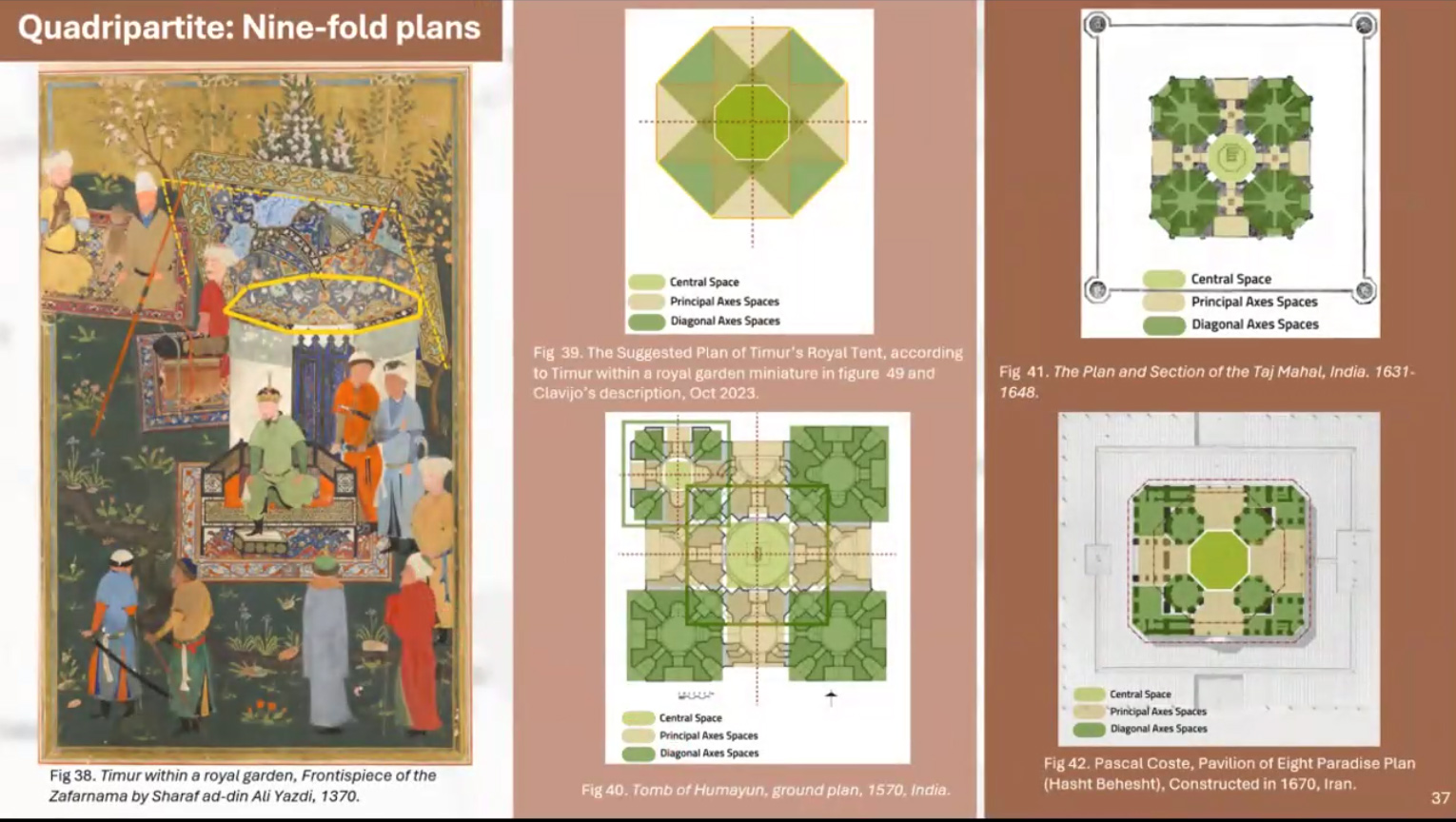
In the second part of the meeting, Sepideh presented her research, Gardens Beyond Borders: Rethinking UNESCO's Approach to Persianate Gardens Through Transnational and Multimodal Lenses. Her study examines the transnational connections among Timurid, Safavid, and Mughal gardens and critiques UNESCO’s nation-based, Eurocentric approach to heritage categorization, which often obscures the fluid and interconnected nature of Persianate gardens. Through visual-centric methods and multimodal argumentation, Sepideh’s research highlights the architectural and spatial consistencies across these gardens, forming a distinct cultural zone beyond national borders. She shared cognitive maps, comparative visual analyses, and diagrams that underscore shared features, historical exchanges, and cultural transfers among Persianate gardens, challenging UNESCO’s criteria that reinforce political boundaries. Her study proposes a new framework for heritage categorization based on architectural forms and cultural concepts rather than centralized, external classifications. By adopting a transnational perspective and utilizing visual and multimodal methods, her research promotes a more integrated understanding of the Persianate garden tradition beyond restrictive national lenses.
Comments