Heartwarming Meeting of November 30, 2024
On November 30, 2024, SMRN held another warm meeting with a group of members, including Azadeh Emadi, Mena El Shazly, Niusha Hatefinia, Nezih Erdoğan, Radek Przedpełski, Nina Czegledy, Shahrooz Yousefian, Mihai Băcăran, Ilze Briede [Kavi], and Rafik Patel.
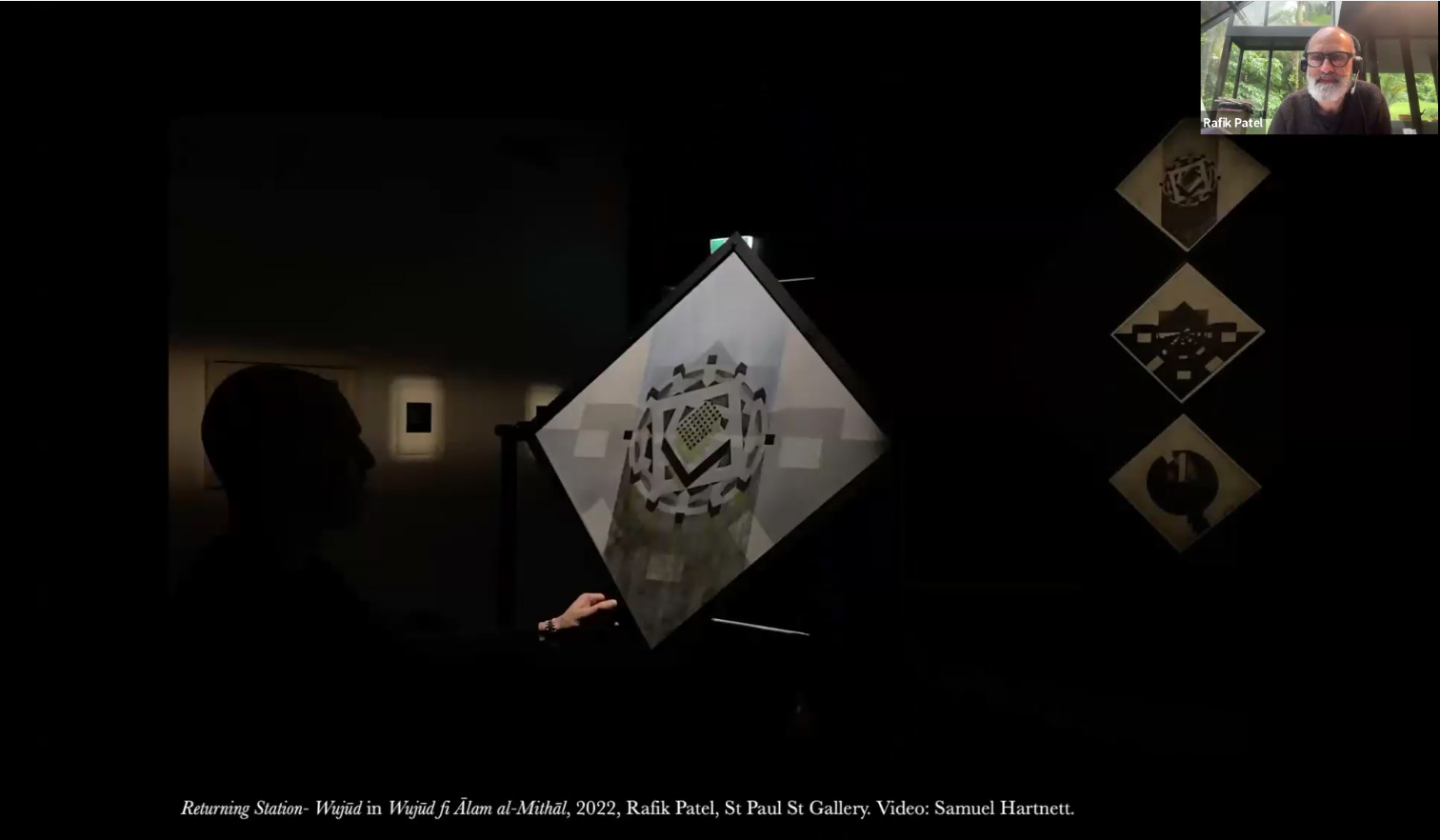
During the meeting, Ilze Briede presented her research on exploring the human brain through experimental and technological methods. Following that, Rafik Patel shared insights from his PhD research on Ibn al-Arabi's work and the concept of Makān.
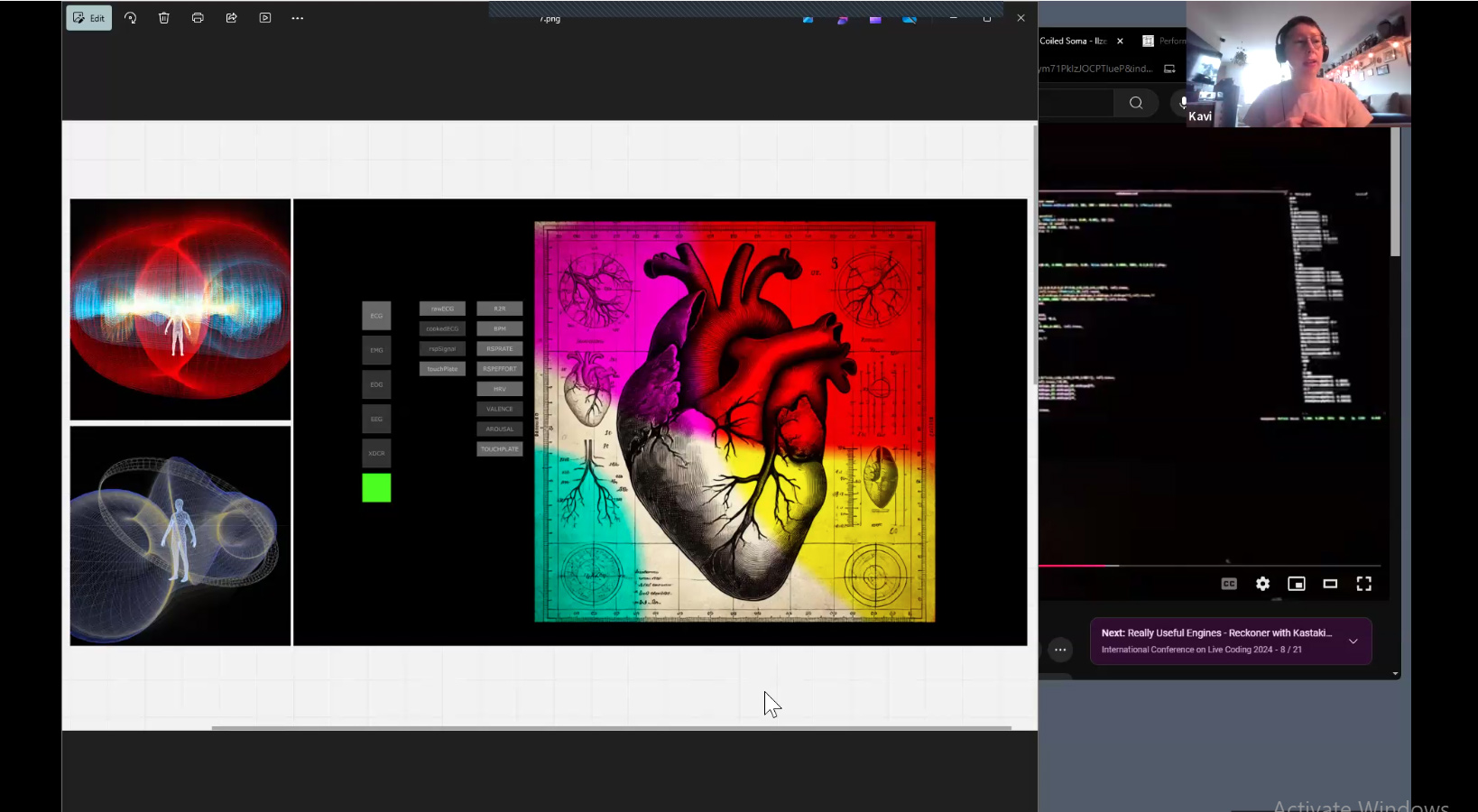
In the first part of the meeting, Kavi’s presentation took us on a fascinating journey into exploring the human brain using experimental and technological methods. Previously focused on biophysical sensing of the heart and other bodily functions, she has now shifted her attention to the brain, which she sees as the most mysterious and complex part of the human body.
Kavi is working on a cybernetic system that can capture and interpret real-time brain activity, specifically looking at the different brain wave patterns like alpha, beta, delta, theta, and gamma waves. Rather than trying to cleanly separate and categorize these waves, Kavi is interested in the ambiguity and overlap between them, viewing the brain as a holistic, interconnected system. Her work goes beyond simply visualizing brain data. She’s designing interfaces and interactive experiences that invite the audience to engage with this data in artistic and immersive ways. By creating spaces that reflect the brain’s liveliness and complexity, Kavi lets the brain “tell its own story” through abstract, generative, and ambiguous representations, rather than imposing from a singular narrative or interpretation. This approach is informed by Kavi's background in fine art and digital media, as well as her interest in exploring the intersection of technology, the body, and the metaphysical aspects of human consciousness. Her research aims to push the boundaries of how we understand and engage with the complexities of the human brain through experimental, artistic, and technological means.
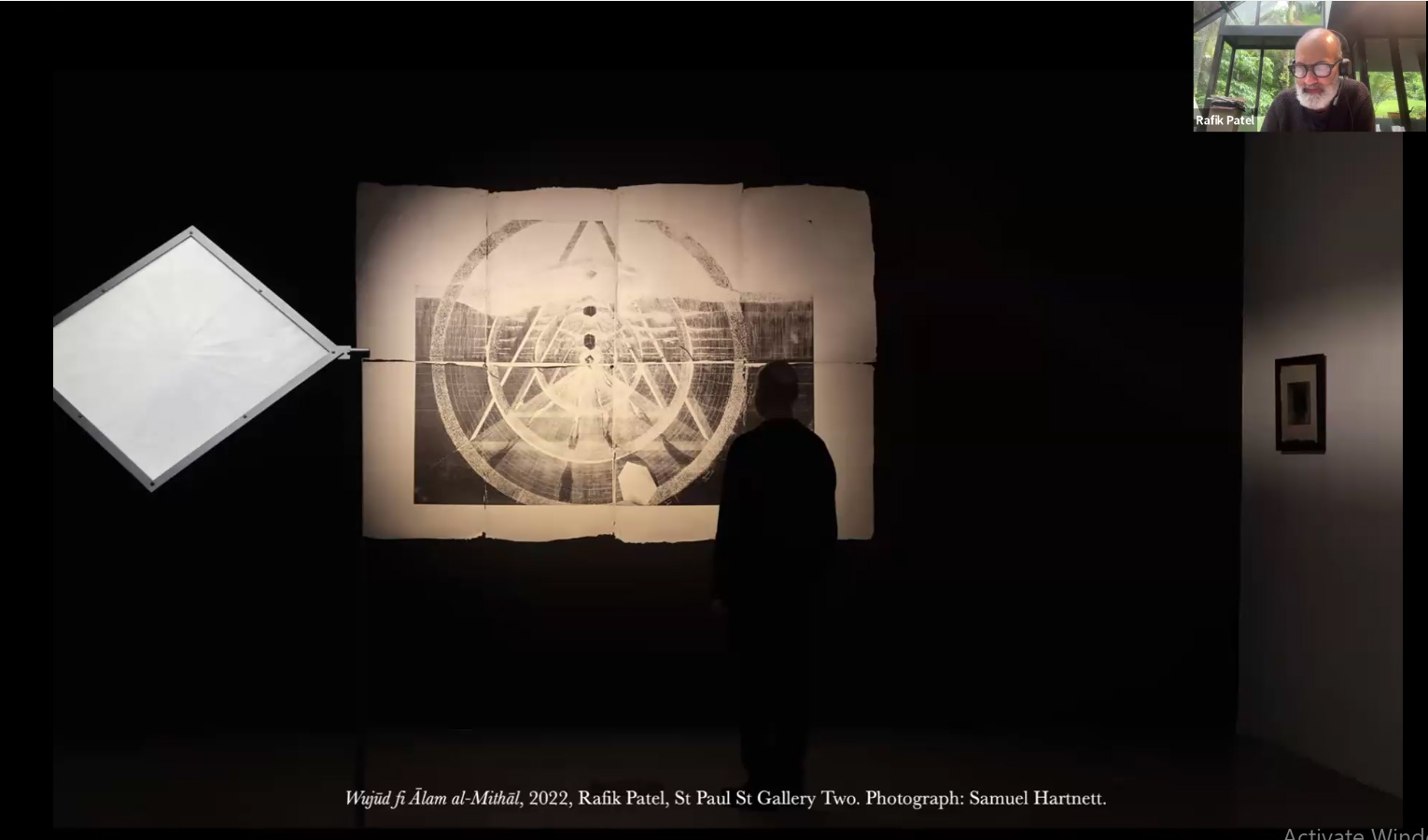
The second presentation by Rafik explored the ontology of makan, or space and place of being, through the lens of Ibn Al Arabi's Islamic philosophy. Rafik's practice-based PhD research employed drawing as a mode of witnessing and self-disclosure, responding to the Christchurch terrorist attack. The presentation discussed Rafik's cosmogram drawings and rotating devices that created a spatial exposition of the three worlds of being: the corporeal, the intermediate, and the afterlife. Rafik emphasized the interconnectedness of space and time, and how the act of drawing activates these dimensions to connect with the divine and one's own being. The exhibition invited viewers to encounter and dwell within the imaginal realm, blending the material and immaterial through tactile and haptic experiences.
Comments